
Lipoprotein Particle + Oxidised LDL Test
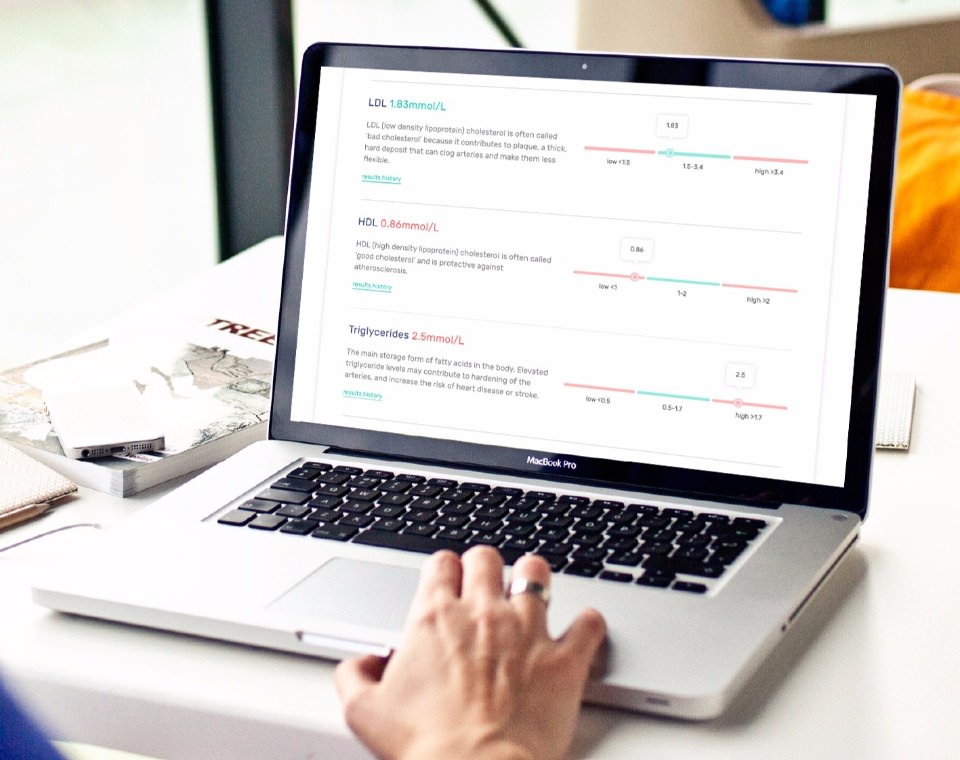
Know your real risk of heart attack
Lipid subfraction testing provides detailed information about the types and amounts of lipids (fats) present in the blood. This test measures the different subfractions of lipids, such as low-density lipoprotein (LDL), high-density lipoprotein (HDL), and very low-density lipoprotein (VLDL).
Lipid subfraction testing is more comprehensive than standard lipid tests which only measure total cholesterol, LDL cholesterol, HDL cholesterol, and triglycerides. By analysing the different subfractions of lipids, practitioners can get a more complete picture of a person's lipid profile and may better understand their risk for cardiovascular disease.

Researchers think that an increased number of small dense LDL particles could be one of the reasons that some people have heart attacks even though their total cholesterol and LDL cholesterol are not particularly high. The number of small dense LDL particles you have is determined by a combination of your genetics, your gender, and your lifestyle. Certain diseases and conditions, such as diabetes and high blood pressure are also associated with increased levels of small dense LDL particles. Check out our blog for more information.

Please note this test requires a venous blood collection and centrifuge. An additional cost of ~£40 GBP is payable directly to the service. Contact Bloodservices@mail.com for options in your location. Please only book Monday (ensuring the weather temperature for the week does not exceed 22°C on any day) and bring your prepaid packaging to post the sample directly after.
What's included
Oxidised LDL is a potentially harmful type of cholesterol that is produced in the body when normal LDL cholesterol is damaged by chemical interactions with free radicals. Together with inflammatory responses, free radicals can result in hardening of the arteries.
High levels of Lp(a) increase your risk of atherosclerosis and is an inherited genetic condition.
Lipids and cholesterol are fat-like substances in your blood. Some are necessary for good health, but when you have a high level of cholesterol in your blood, a lot of it ends up being deposited in the walls of your arteries and other vital organs. Lifestyle choices including diet, exercise and alcohol intake can all influence cholesterol levels and your risk of developing heart disease.
These intermediate LDL fractions represent particles in the middle of the size and density spectrum. A balanced distribution across these mid subfractions is considered normal, while higher proportions may reflect shifts toward smaller, denser LDL particles, which are more strongly linked to atherosclerosis.
Large LDL particles (LDL-1 and LDL-2) are larger and more buoyant, meaning they are less likely to penetrate arterial walls and form plaque. Higher levels of these subfractions are generally viewed as less atherogenic and may reflect a more favourable lipid profile. Larger, less dense particles transport cholesterol efficiently without easily contributing to arterial blockage.
Smaller, denser LDL particles (LDL-3 to LDL-7) are more reactive and inflammatory, making them more prone to entering the arterial wall and promoting plaque formation. Elevated small dense LDL is associated with a higher risk of heart disease, even when total LDL cholesterol appears normal. These particles indicate increased cardiovascular risk, especially when combined with insulin resistance, high triglycerides, or low HDL cholesterol.
Your mean LDL particle size provides key insight into coronary risk. Larger, more buoyant LDL particles are generally linked with a lower likelihood of arterial plaque buildup, while smaller, denser LDL particles are more atherogenic and associated with higher cardiovascular risk. Evaluating mean particle size alongside overall lipid subfraction balance offers a more precise view of coronary health and long-term heart disease risk than standard cholesterol testing alone.
Test instructions

You’ll receive your blood test kit in the mail, along with logistics for your sample collection.
Download and print your pathology request form and book a collection for a venous blood draw AND centrifuge using a phlebotomy service on a MONDAY only where the weekly temperature is under 23C. Bring your prepaid packaging to post the sample directly after.

Results for this test typically available in 2 weeks and will be published in your online dashboard.
Ready. Set. Go!
Buy now for £177